Dota 2 Major Patch Overview: Changes and Impact on Meta
Over the past year, Dota 2 has seen many changes thanks to regular patches that brought not only balance changes, but also new mechanics, items, and heroes. These updates have significantly affected the meta, changing the way players approach strategy and tactics in many ways.
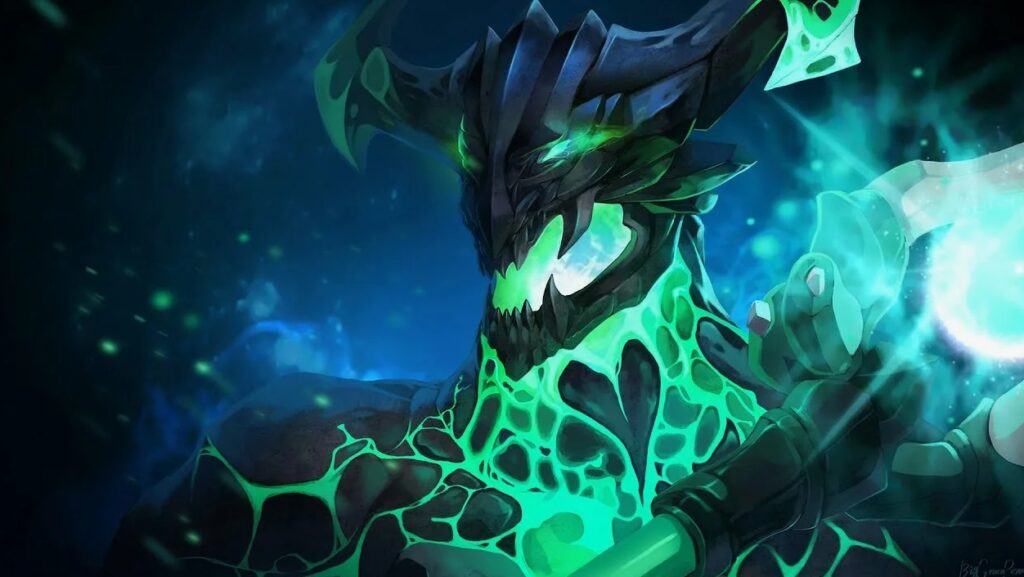
The first significant patch of the year was released after The International 2022. In it, the developers focused on balancing the heroes that showed themselves at the tournament. For example, such popular heroes as Pudge and Phantom Assassin were nerfed, which allowed for more diversification of hero choices in tournaments and in regular games. This change allowed less popular heroes such as Underlord and Brewmaster to come back into fashion and take their place in various compositions.
With the release of patch 7.32, a new mechanic was introduced – the “talent tree”, which allowed players to choose unique abilities for their heroes depending on the situation. This led to more variability in building builds and strategies. For example, heroes like Lion and Tinker received new build options, making them more flexible depending on the needs of the team. The next major patch, 7.33, was a real breakthrough. It added new items like Glimmer Cave and Abyssal Blade, which significantly changed the dynamics of fights. These items provided new opportunities for initiation and defense, which especially affected the role of supports. The introduction of the “bonus gold” mechanic for killing neutrals also allowed players to farm more actively, which in turn slowed down the game at certain stages over time.
Patch 7.34, released mid-year, focused on improving the quality of life for players. Changes were made to the interface that made the game more user-friendly, and new features were added to the matchmaking system. For example, players were able to better track their achievements and stats, which increased the motivation to improve their skills. The rating system was also reworked in this patch, making it more transparent and understandable. Towards the end of the year, in patch 7.35, the developers returned to the topic of heroes. In this update, they focused on poorly balanced characters such as Sniper and Necrophos. These changes not only strengthened the weaknesses of the heroes, but also led to some of them becoming more popular in the professional scene. Changes in the mechanics of “long-term effects” added new strategic elements, allowing players to use their abilities more effectively in battles.
We should not forget about the changes made to the maps, which also significantly affected the meta. Changes in the location of runes and neutral camps led to new farming and initiation routes. This gave players new opportunities to control the map and improved interaction between players in the team.
Thus, over the past year, Dota 2 has received many changes that not only improved the balance, but also diversified the gameplay. Players have learned to adapt to new conditions and use new mechanics in their strategies. These patches have become an important part of the game’s evolution, and we can expect that in the future, the developers will continue to introduce innovations to maintain interest in Dota 2 and develop its meta.